
This April, I returned to my alma mater at the peak of spring here in North Carolina. While this season in the South can be brutal for the senses, it is equally pleasing to the spirit. Pollen-covered cars, windows, and lawns sit adjacent to azaleas and daffodils, their petals open in bloom, popping across yards and gardens. They line the walls of the University of North Carolina’s campus, and the pink and yellow flowers beckon you toward the university.
It had been more than a few years since I enjoyed the campus in bloom, and as a self-proclaimed sentimentalist, the nostalgia that overcame me was a welcome feeling. It was intensified by the fact that I was returning to the FedEx Global Education Center, a building I visited daily as a student at UNC. I attended lectures and events there; it was the hub that brought global ideas home to Carolina. The building also houses the Carolina Asia Center, which on this day was convening its Bringing Southeast Asia Home initiative. And fittingly, this event was what brought me back to campus. Back to the place that shaped my transition into early adulthood. Back to the place that was my home for four years.
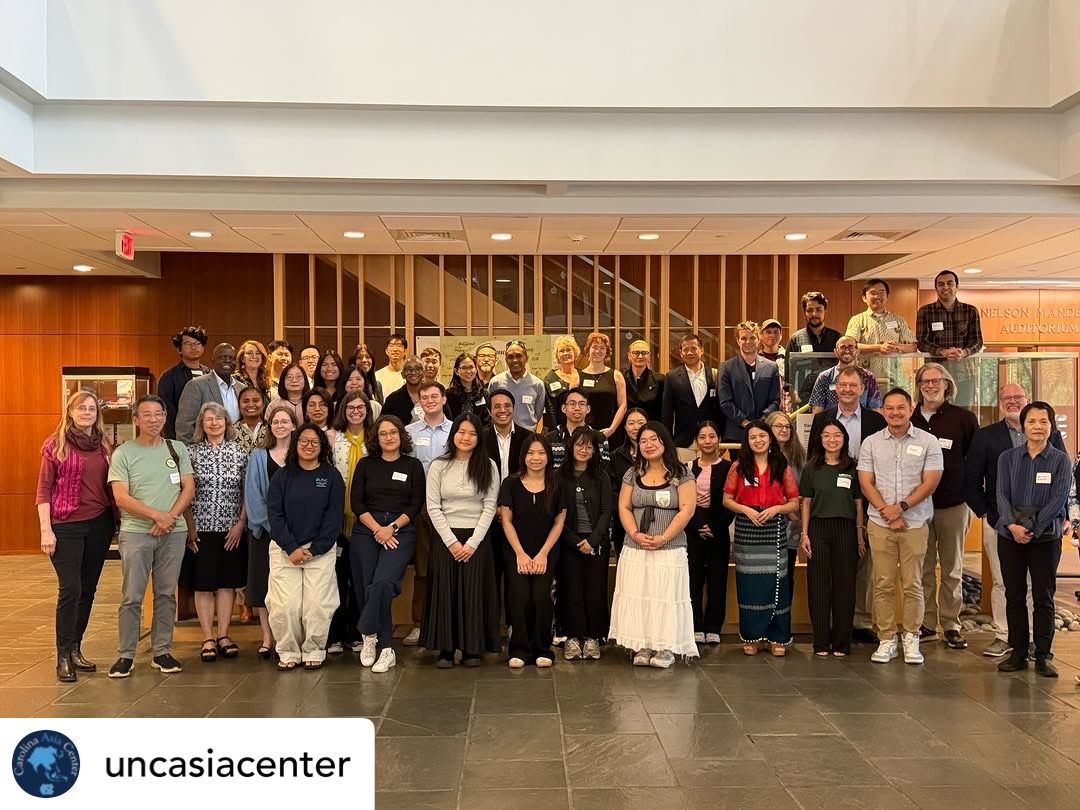
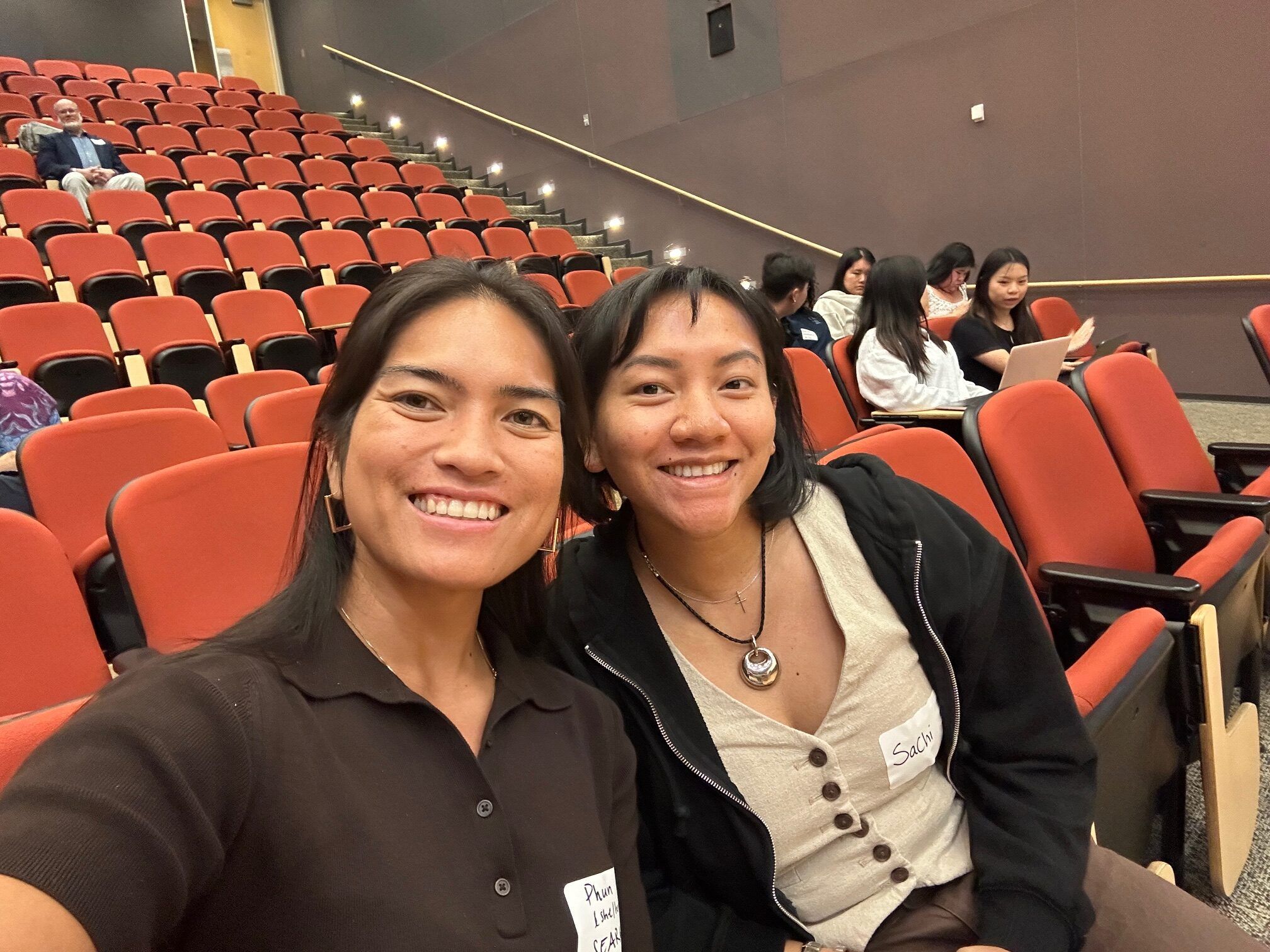
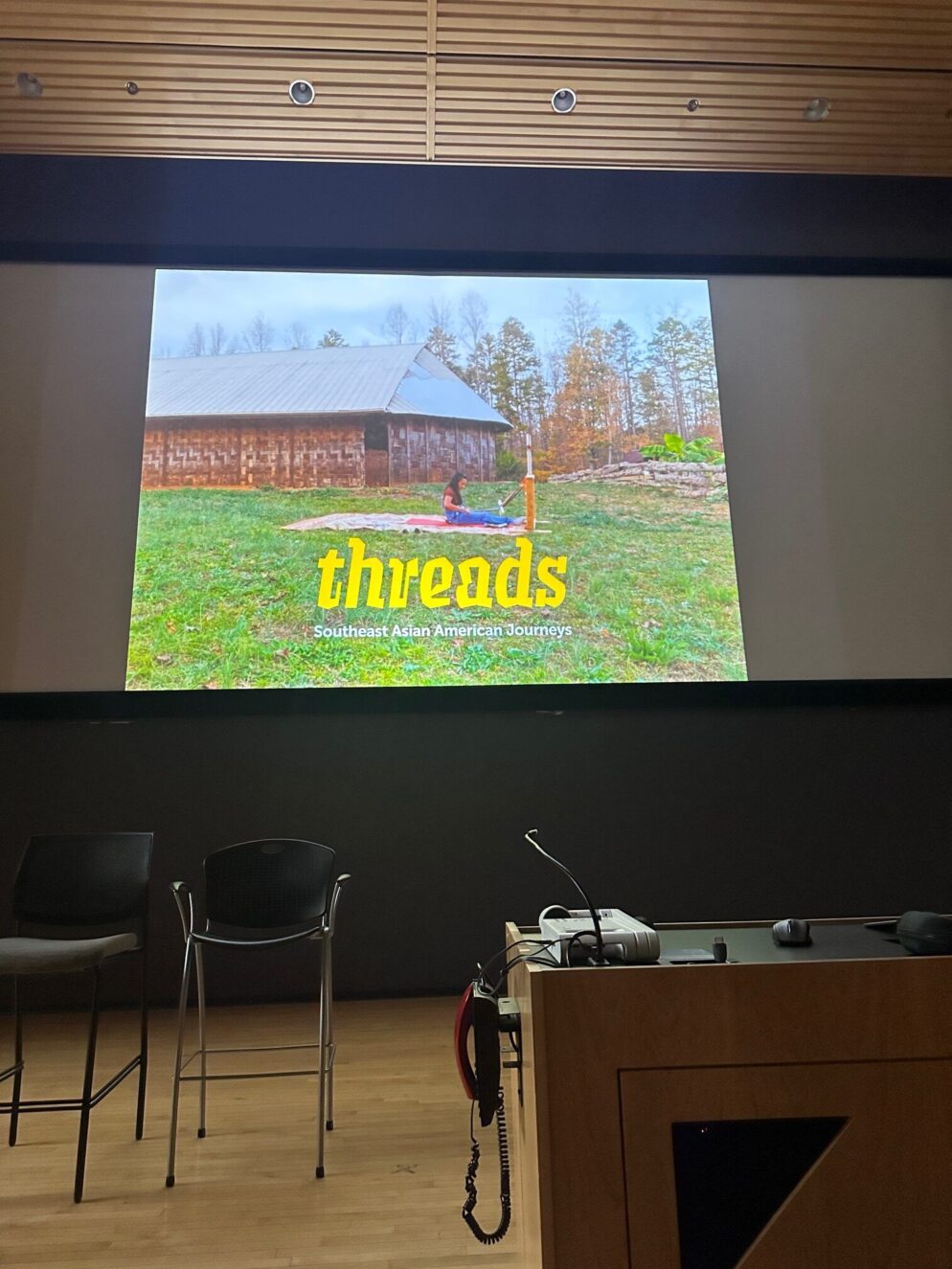
I was there to join a screening and discussion of Threads, an episode from the Southeast Asian American Journeys docuseries, produced by Quyên Nguyen-Le in association with SEARAC and the Center for Asian American Media. Threads holds a special place for me because it explores the stories of the Montagnard community here in North Carolina. The Bringing Southeast Asia Home event drew brilliant speakers, community leaders, and experts on Southeast Asian and Southeast Asian American issues, and I found myself slipping back into that familiar feeling of being a student, trying to stay afloat while an incredible flood of knowledge rushes toward you. After the mandatory MedDeli lunch, a catering classic at Carolina, we gathered in the auditorium to watch the episode. Sachi, one of the film’s leads, sat with me in the front row. And as we watched our community’s story unfold before us, I found new details of the film to appreciate.
After the screening, Sachi and I took audience questions. Though it wasn’t my first time participating in a discussion like this, something about this one felt different. I was back on campus, but now as a representative of SEARAC, an organization I had deeply admired during my college years. Standing in that auditorium, I felt the distance between who I was then and who I am now, and I felt proud of it. I felt proud to share with the audience how this docuseries was a Southeast Asian American-led effort to tell our stories through our own eyes, voices, and hearts. I also spoke about the monumental 50-year commemoration of Southeast Asian American refugee resettlement, which coincides with the 250th anniversary of the United States, and SEARAC’s advocacy to push for recognition of this through a national resolution. Throughout the conversation, the pride I carry for Southeast Asian Americans and my Montagnard community poured out of me freely.
April is a time of remembrance for Southeast Asian Americans because our stories are deeply tied to April 1975 and the aftermath of the Vietnam War. The duality of that history is immense: the trauma our communities carried as they fled their homelands, and the infinite, uncertain possibilities of new beginnings that awaited them here. It is an overwhelming thing to hold.
And yet, Southeast Asian American communities have brought their resilient spirit through every one of those challenges. We have challenged harmful immigration policies and built our own solutions. We have created enclaves and transformed the cultural landscapes of cities across this country. We have told our own stories, on our own terms. This month reminds me that the fighting spirit of our communities will not be broken, and that our autonomy remains sacred and essential in the ongoing pursuit of justice and equity here.
This reminder, too, feels like a return for me.