
By Allie Soisouvanh Price
I remember when I was younger, I always thought it was weird that Lao New Year happens in April and stretches into May. Doesn’t the new year start in January? Why are we celebrating a new year in April? And, why did we feel the need to continue it until May? That was just my Americanized brain talking. I obviously did not know any better as a kid.
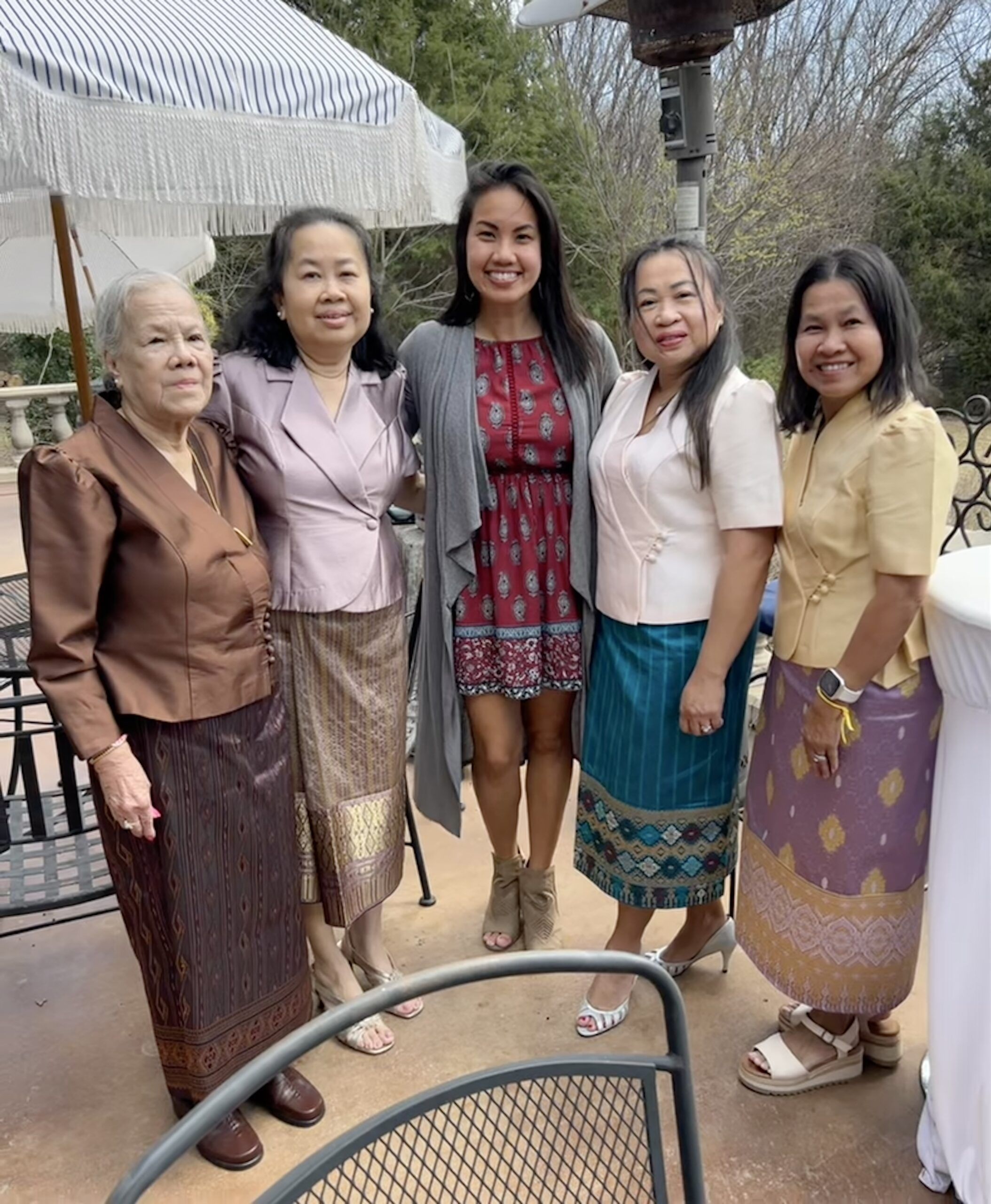
Mom and Dad always took my siblings and I to the wats a lot growing up. Especially for Lao New Year. I remember monks chanting over me. Kids running around screaming and laughing. Grandparents singing karaoke. All the food laid out on tables. My siblings and I paying respects to our aunts, uncles, and other elders. Everyone bringing out the Heineken beer bottles. And let me tell you, Lao people sure do love their Heineken.
When I was younger, I didn’t understand the significance of it. Why was everyone smiling so big? Why was everyone so loud? Why was everyone singing such horrible karaoke? And, why was there so much food everywhere?!
However, as I got older, especially now that I’m 37, I definitely understand the significance of it.
My parents were both teenagers when they left Laos. They grew up during the Secret
War in Laos. During the Secret War, the United States dropped more than 2 million bombs on Laos between 1964-1973. My mom and her family left Pakse, Laos, when she was 14. Dad left Vientiane, Laos, when he was 19 in April 1975. By that time, the communists took over Laos and everything erupted into chaos. Dad boarded his flight for Paris, France, with nothing but the clothes he had on his back. He never looked back since then.
My Dad misses Laos though. He misses his home country. He misses how things were before the war. He never talks about Laos. But when he does, I hear the yearning in his voice for home.
When I think about Lao New Year, I think of advocacy. I think of joy. The reason why I think of both advocacy and joy is because Lao New Year is one way to challenge the narrative surrounding Laos. So much trauma and struggle came from the Secret War in Laos. When Laos is discussed in public discourse, it is oftentimes discussed from the lens of war, unexploded ordnance, and displacement of millions of refugees. It is rarely discussed from a lens of joy and beauty.
Lao New Year is our way of reclaiming ourselves, reclaiming our identities, and reclaiming the joy that was taken from us because of the war. I think one of the reasons why my parents love Lao New Year so much is because it reminds them of home. Also, another reason why my parents love Lao New Year so much is because they get to share with their kids and loved ones something they love so much about their country.
Most importantly, they get to preserve their culture and pray for a better future for theirkids. A future without bombs and war.
Every baci ceremony, every dance, every meal, every temple visit, every karaoke session, every picture, every laugh, every smile, every water balloon fight, and so on during Lao New Year celebrations is a means of preserving the Lao culture for this generation and future generations.
When I think of the Lao communities, I think of family. I think of community. The culture of Laos is very family oriented. It is not individualistic whatsoever like American culture. The healing in Lao communities is communal because we’re doing it together. We’re doing it with each other. We’re not doing it alone.
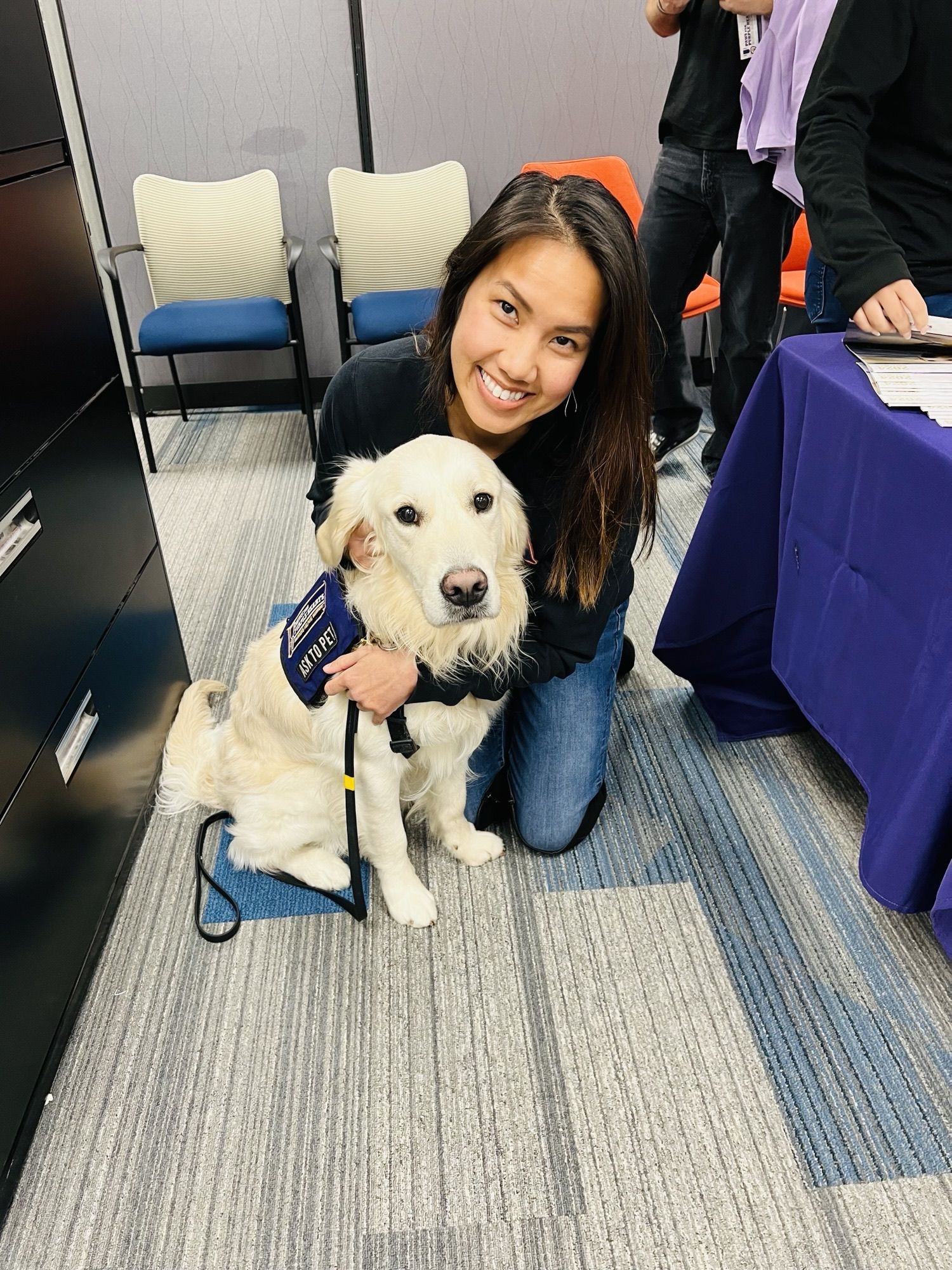
Lao New Year gives us the space to heal, the chance for younger generations to connect with older generations, and the opportunity to share with the world why this celebration is so important in Lao communities. Most importantly, Lao New Year celebrations give us the hope that we can imagine a future without trauma and pain. That within itself is advocacy since it’s fostering perseverance, resilience, and continuity.
Advocacy doesn’t always have to be about policy, protests, demonstrations, legislation, or reports. Sometimes, advocacy is about refusing to let your culture, traditions, and heritage die. Sometimes, advocacy is about celebrating Lao New Year every year with smiles on our face and hope for the future. Sometimes, advocacy means sharing with others the significance of Lao New Year. Sometimes, advocacy means choosing joy when there has been so much trauma and pain from war and conflict. I choose advocacy. I choose joy. Sabaidee Pi Mai.
Allie Soisouvanh Price is a proud daughter of Lao refugees. She is passionate about connecting to her Lao roots and sharing with the world about her parents’ home country of Laos. She is currently a higher education professional residing in Washington DC. She splits her time between both Washington DC and Texas. She participated in the 2025 SEARAC LAT program under the Education cohort. If it wasn’t for undergraduate and graduate degrees, she wouldn’t be where she is right now. She believes firmly that education opens up so many opportunities. Her goals include advocating for students of color and pushing for more funding for students in colleges and universities. When she is not busy bettering students’ lives, she is spending time with family and friends, being a world traveler, and enjoying life to the fullest. Feel free to see her latest adventures on her Instagram @a.phouthavong!