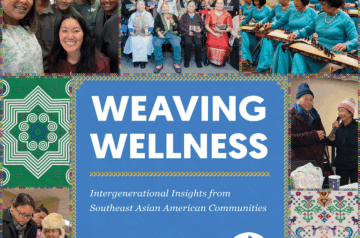
Washington, DC — The Southeast Asia Resource Action Center (SEARAC) is thrilled to launch our new report, Weaving Wellness: Intergenerational Insights from Southeast Asian American Communities. This groundbreaking research, conducted in partnership with five Southeast Asian American (SEAA) community-based organizations and a Community Advisory Board, explores a community-defined vision of wellness that reflects the experiences of multiple generations.

Through interviews and focus groups with more than 150 participants from a diverse array of SEAA communities across the country, SEARAC and our Principal Investigators, Dr. Jacqueline Mac and Dr. Varaxy Yi Borromeo, looked deeply at what wellness means to SEAAs from a variety of generations and backgrounds. Some highlights and key findings from the report include:
- SEAA wellness is multidimensional, communal, and shared.
- Wellness practices within the community are deeply interconnected and include expressions of wellness that differ from traditional Western medicine, such as handstitching story cloths, gardening, communal gatherings, and community advocacy.
- SEAA wellness centers on seeking connection with family, community, and the organizations in our communities that serve us.
- But, generational differences in wellness practices hinder connection.
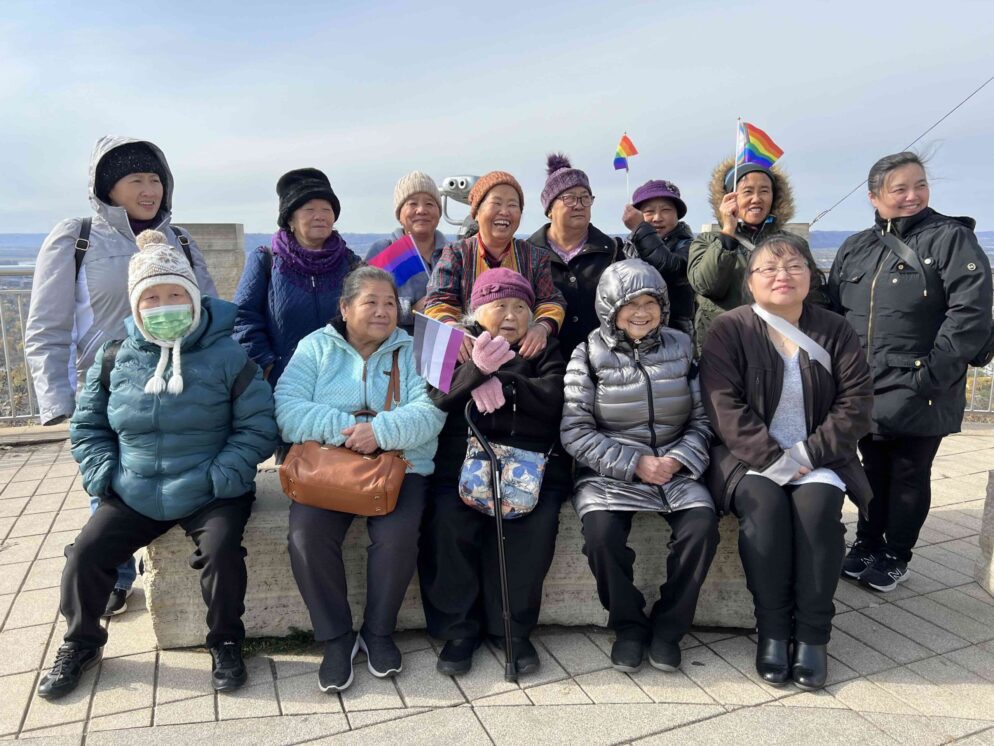
- SEAA-serving community-based organizations are critical to combatting loneliness and isolation among elders.
Download the full report to learn more about these and other findings from our research, as well as access recommendations for policymakers and service providers to improve Southeast Asian American intergenerational wellness.
“The launch of this report comes at a critical time for the Southeast Asian American community, who face increased threats to our wellness and our very existence in this country,” said SEARAC Executive Director Quyên Đinh. “While the administration ramps up efforts to deport refugees and immigrants – including a 20x increase in the deportation of SEAA elders over the past 18 months – this research reminds us that the remedy to those attacks includes holistic investment in SEAA health and wellbeing. Wellness practices that reflect cultural traditions while also bridging generational gaps are key to addressing the traumas that we carry as survivors of war and genocide while also affirming our right to heal.”
To watch a recording of our virtual report launch event, visit SEARAC’s YouTube channel.
This research was generously supported by the Robert Wood Johnson Foundation.