
By Kaovny Jonas
World Refugee Day is more than a date on the calendar. For me, it is personal. It is a reminder of where my family came from, what we survived, and what we are still building.
I was born in Cambodia and came to the United States as a child in 1982. Like many children of refugees, I grew up between worlds. I carried stories that were not always spoken aloud and a culture that I did not fully understand until I became a mother and community leader. Over time, I began to understand that refugee stories are not only stories of loss. They are also stories of courage, sacrifice, survival, adaptation, and legacy.
This year, the Cambodian Legacy Project hosted a World Refugee Day event in Pineville, NC, bringing together Cambodian, Hmong, Lao, Vietnamese, Montagnard, and other community members to honor refugee journeys. The event was not just about looking back. It was about creating a place where our communities could see one another and celebrate the strength that carried us here.
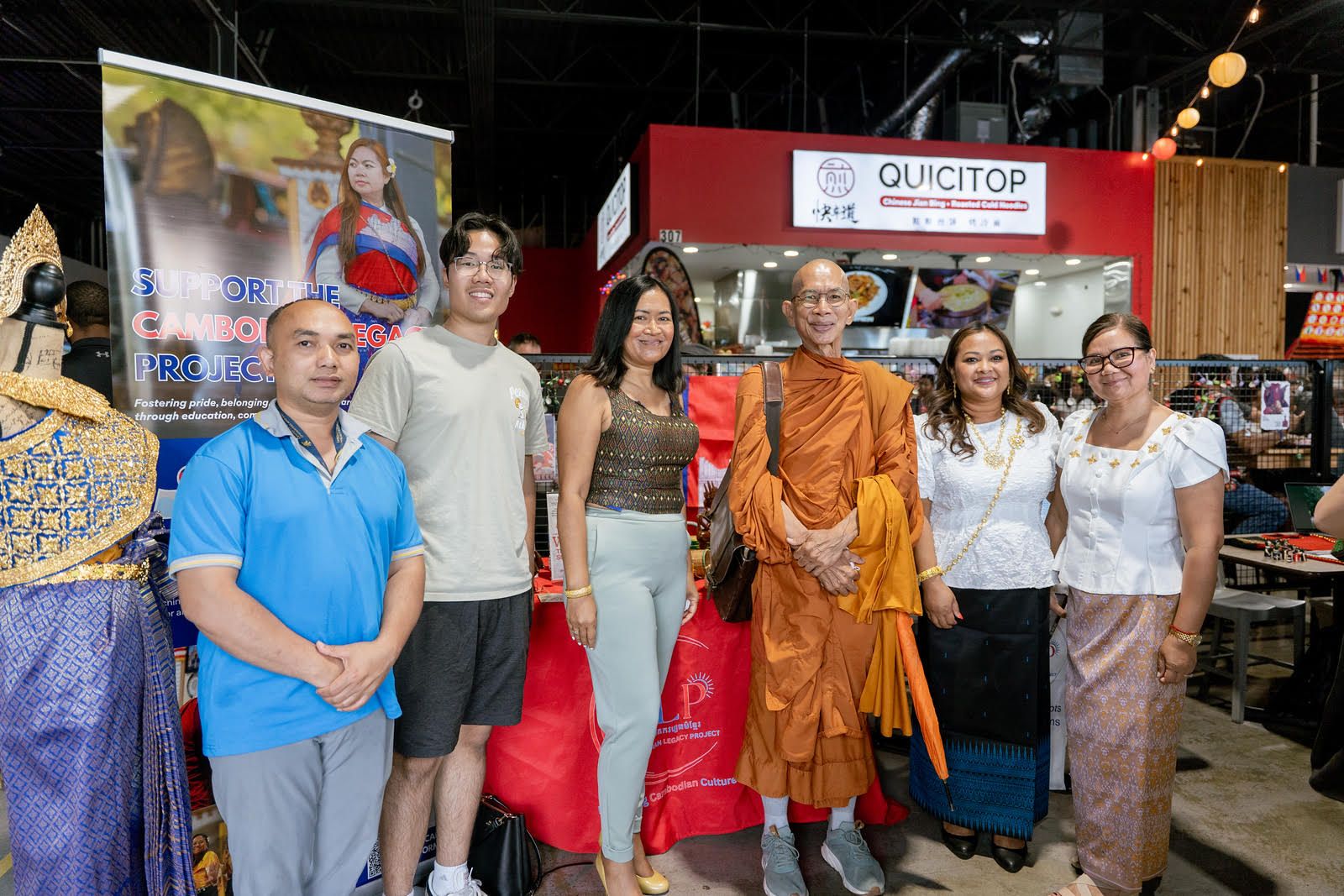
For Southeast Asian refugee communities, our histories are connected—even when our languages, traditions, and migration stories are different. Many of our families fled war and persecution arriving in the United States while carrying both the trauma of being displaced and the hope of new beginnings. Some rebuilt their lives quietly, working hard and sacrificing so their children could have opportunities they never had.
But too often, refugee stories are only told through struggle. I want people to know that refugees are not just people who escaped something. Refugees are people who built something. They built homes in unfamiliar places. They raised children in a new language. They opened businesses, joined churches and temples, served in the military, became teachers, organizers, artists, parents, and leaders. They gave their children a future while carrying memories of a homeland they could not always return to.
That is why celebrating refugees matters. Celebration does not erase pain. It gives our communities permission to honor the full story. It allows us to remember our refugee legacy while also recognizing resilience that survived.
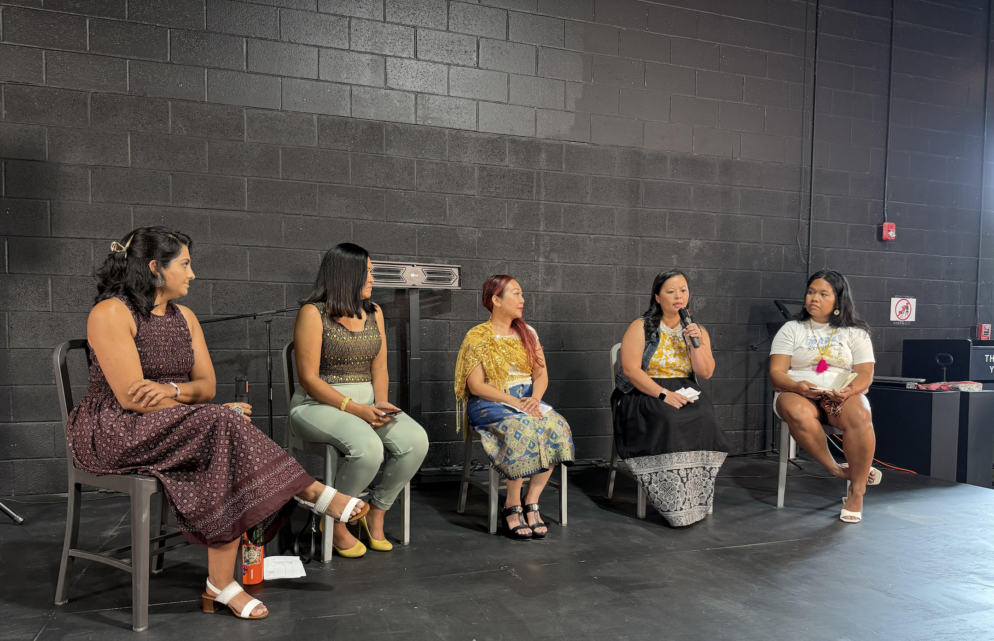
At our World Refugee Day event, cultural performances were a powerful part of that celebration, helping us to express what words sometimes cannot. Our Cambodian, Hmong, and Lao community shared their traditions through song and dance, and a panel featured Southeast Asian American leaders and the stories that shaped their journeys. These activities are so much more than presenting culture. We are keeping our memories alive. We are teaching the next generation that their identity is something to carry with pride.
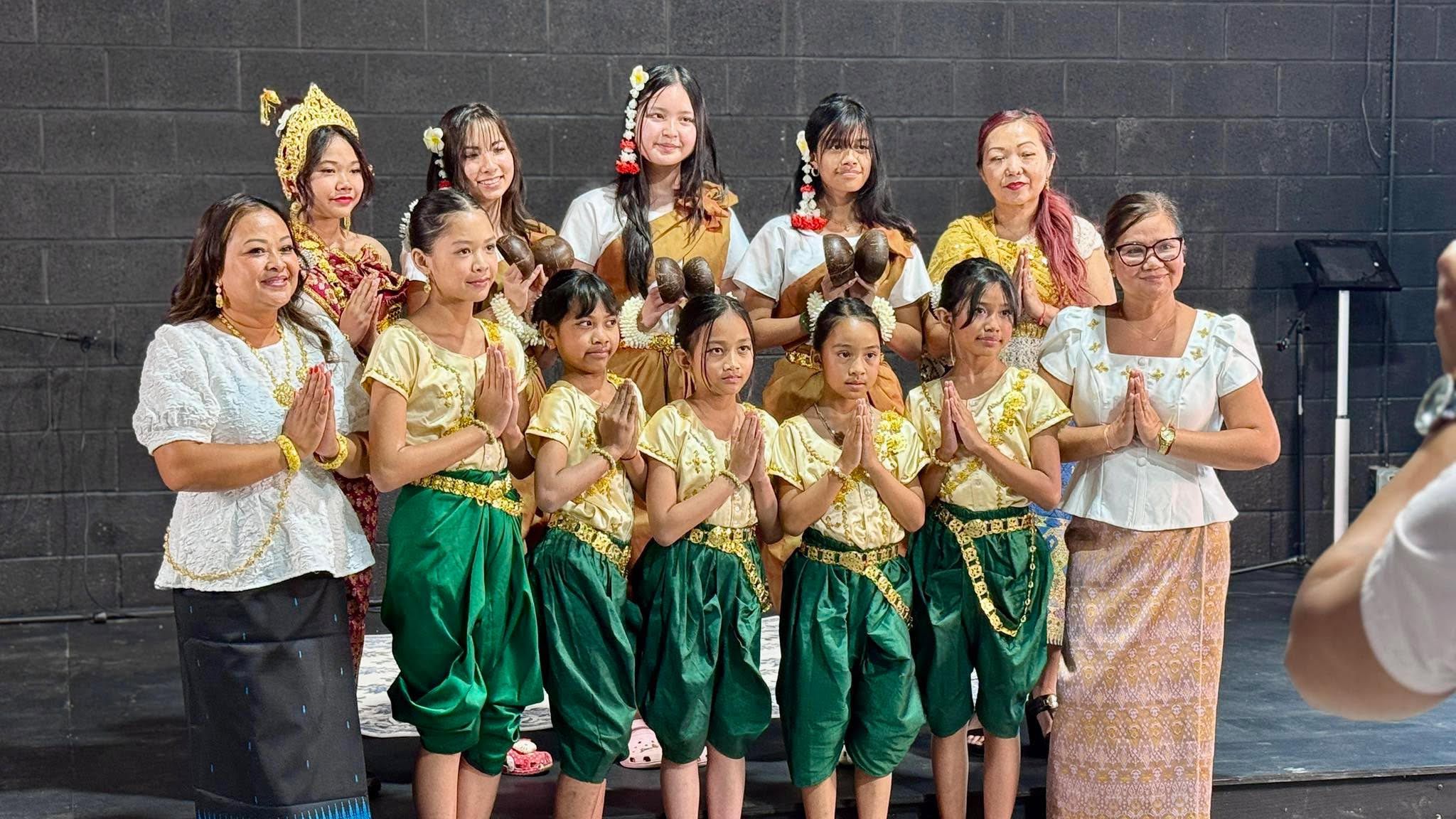
As a Cambodian American mother and co-founder of the Cambodian Legacy Project, my dream is for our children to grow up knowing who they are. I want them to know that their grandparents’ sacrifices matter. I want them to understand that language, food, dance, faith, stories, and community are the roots that help us stand tall.
This year’s World Refugee Day also made me think deeply about belonging. Many refugee families spend years trying to survive. My hope is that our communities do not have to wait generations to feel seen. I want us to create spaces where elders feel honored, where youth feel proud, and where families can reconnect across language and generational gaps.
World Refugee Day reminds me that healing is a communal experience. When we gather, tell our stories, and celebrate our cultures, we are doing the work of repair. We are saying that our histories deserve to be remembered and our futures deserve to be invested in.
My hope for the future is that refugee communities are not only invited to share stories of survival, but also recognized as leaders, builders, culture keepers, and visionaries. We have so much to offer. Our communities understand resilience because we have lived it. We understand adaptation because we have practiced it. We understand hope because, for many of our families, hope was the only thing they could carry.
World Refugee Day is a time to honor the past, but it is also a call to action. It asks us to listen more deeply and create spaces where refugee and immigrant communities can thrive across generations.
For me, this work is legacy work. It is about making sure our children do not inherit only the silence of trauma, but also the strength of culture, the pride of identity, and the power of community.
AhNy (Kaovny) Jonas is a Cambodian-American advocate, nonprofit leader, and cultural educator based in Charlotte, North Carolina. She is the co-founder and Chief Executive Officer of the Cambodian Legacy Project, a nonprofit organization dedicated to preserving Cambodian heritage while empowering the next generation of Cambodian-Americans to embrace both their cultural roots and American identity.