Increase federal funding for Asian American Native American Pacific Islander Serving Institutions

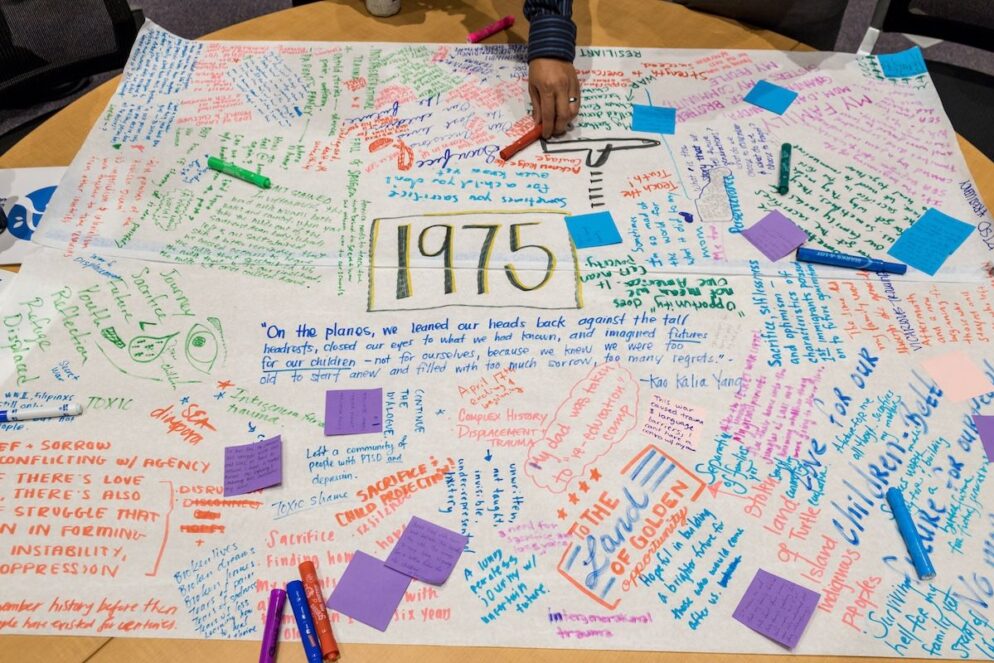
Post-its and handwritten messages on a posterboard labeled with the year 1975

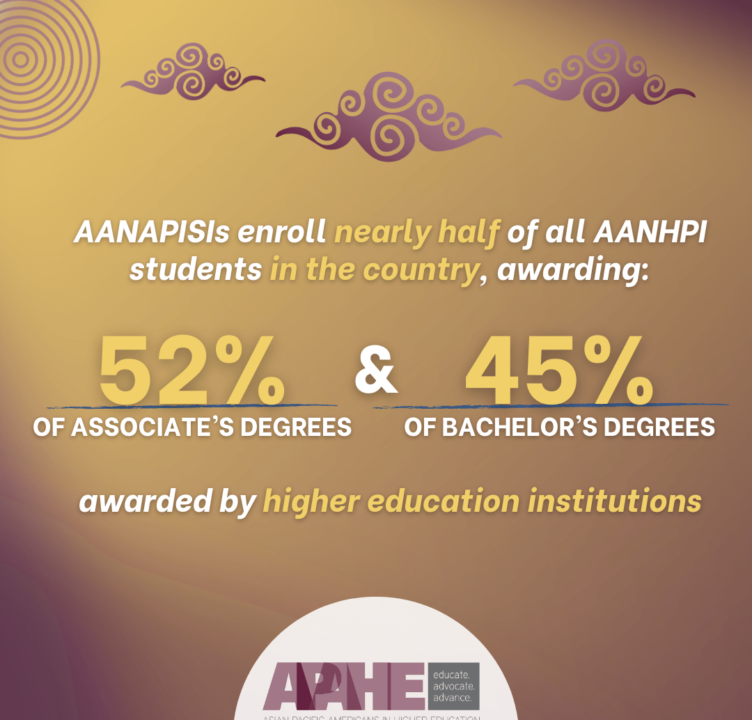
These colleges and universities are essential for increasing higher education access and success to low-income, first-generation Asian American, Native Hawaiian, and Pacific Islander students, including SEAAs.

Key resources:
Featured story

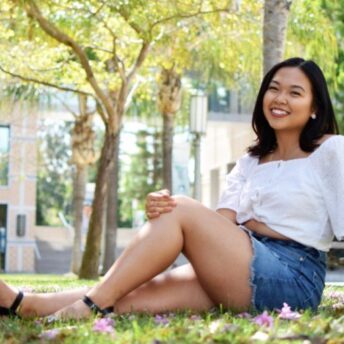
“I think that AANAPISIs are important because it allows for Asian American students, like myself, to come together and feel a sense of belonging. This space has allowed me to build relationships I know will last a lifetime. ANNAPISIs allow for there to be a community-based foundation for Asian American students who need that.”

alumnus of Irvine Valley College, an AANAPISI located in CA
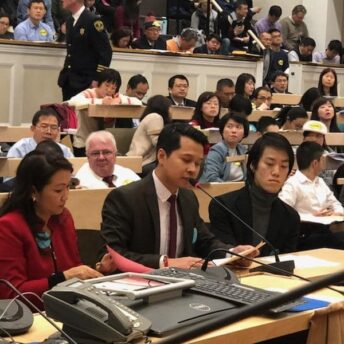
People delivering a statement

“We need to be actively thinking about creative spaces and after-school programs that encourage participation from refugee parents in preparing their children for college. More importantly, we need to address language access. Without the ability to read documents or understand robocalls, parents are further barred from being informed on their child’s educational attainment and success.”

Sovanna Pouv
Cambodian Mutual Assistance Association of Greater Lowell
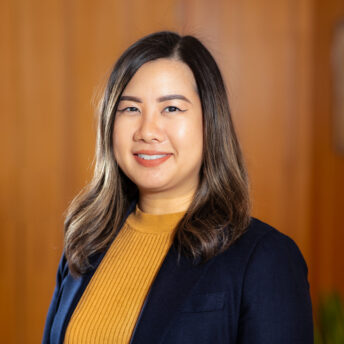
“We need to invest far more in our school systems so that Southeast Asian American students, and all students of color, have a high quality education – at every level and no matter what path they choose to take.”

Roseryn Bhudsabourg
SEARAC board member
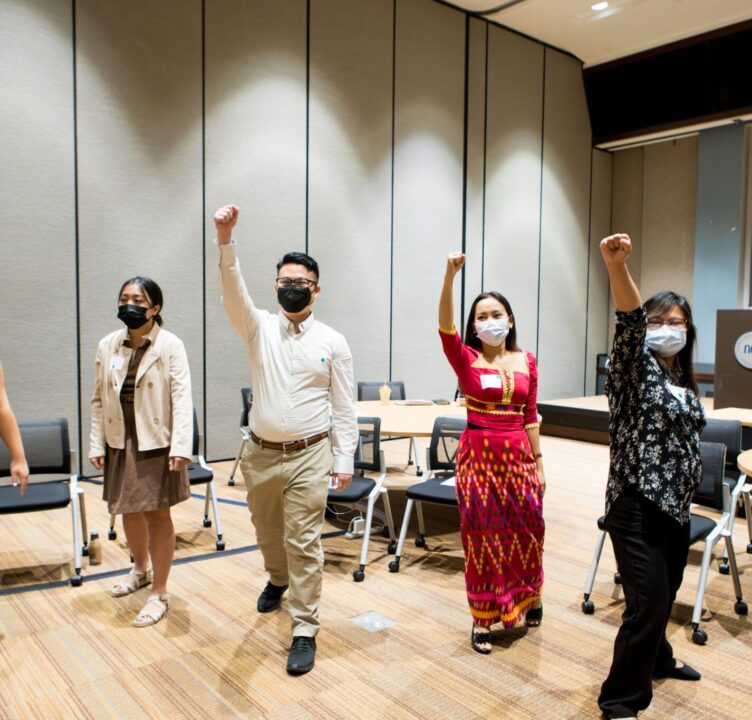
LAT participants striking a pose.

People Power in Action

Six people wear traditional attire adorned with flowers

Include Southeast Asian American ethnic studies in school curricula

Learning about the histories, culture, and experiences of our diverse communities, including SEAAs, benefits all students

Increase federal funding to support SEAA students’ success

SEAAs’ refugee history, their invisibility in education data and policy, and systemic racism create barriers to our students’ educational success. Our government must address the disparities that SEAA students experience and invest in their futures.

Last week, SEARAC hosted the third installment of our Rising Up webinar series, examining gender disparities in Southeast Asian American students' educational attainment. Kham Moua, SEARAC National Deputy Director, shared how immigration policies in the 1990s criminalized Southeast Asian boys and men. This created not just a school-to-prison pipeline, but a school-to-prison-to-deportation pipeline. 

You can join SEARAC tomorrow, May 19, for the next installment of our webinar series at bit.ly/RisingUpPt4.

23 0
Education is a right, not a privilege. Join SEARAC on May 19 for our Rising Up webinar series as we explore how community colleges are increasing access and affordability for Southeast Asian American students. Featuring Dr. Tchay Her of Fresno City College's United Southeast Asian American Program (@fcc_useaa). RSVP today: bit.ly/RisingUpPt4 or at the link in our bio!

35 2
Dr. Mike Nguyen, professor at UCLA and a board member of @searac and @apahenational, shares how the research has shown that AANAPISIs provide wonderful outcomes and benefits for AANHPI students to succeed in college. Tune in today for the third installment of SEARAC’s “Rising Up” webinar, a series highlighting the urgent needs of Southeast Asian American students. Join today’s conversation on supporting men and boys in education. RSVP at bit.ly/RisingUpPt3.

11 0
In SEARAC’s kickoff of our “Rising Up” webinar series, we talked about how essential AANAPISIs have been for creating more educational opportunities for Southeast Asian American students and the recent threats to the program. Our series continues tomorrow with a webinar on supporting Southeast Asian American men and boys in education. RSVP at bit.ly/RisingUpPt3 to join!

14 0