
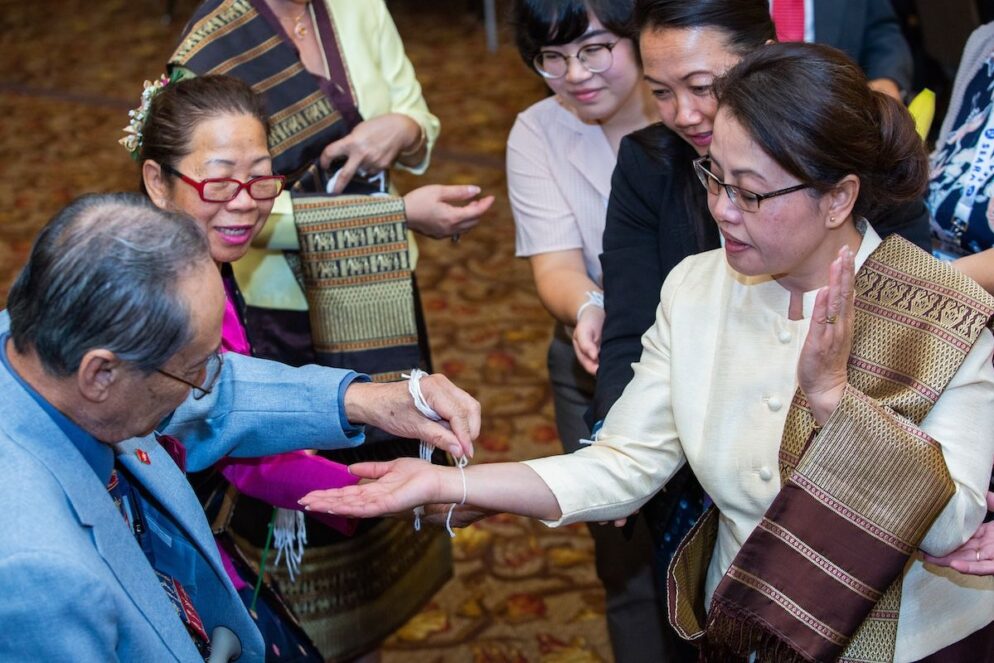
The Older Americans Act, which provides important services for older adults, should be well-funded and improved to meet the needs of diverse elders, including Southeast Asian American elders.
Key resources:

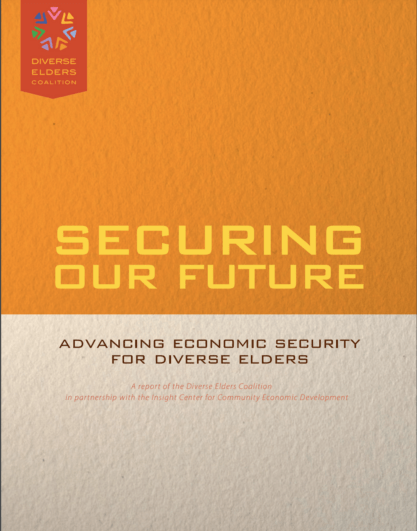

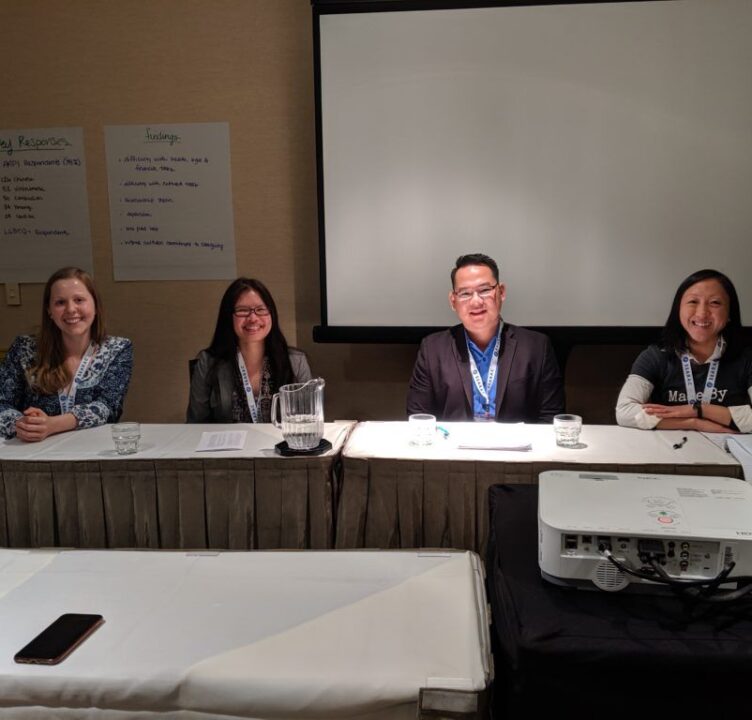
Featured story
Help for Southeast Asian American Caregivers Facing PTSD, Trauma, Racism and Language Barriers
Through the Diverse Elders Coalition (DEC) caregiving initiative, a project aimed at improving the multicultural capacities of healthcare and social service providers, we discovered that there is an urgent need for culturally and linguistically competent services and resources for SEAA caregivers.
Learn more
“Responsibility of becoming a caregiver for an ill family member can be shared; however, this responsibility usually ends up [with] those who speak the most English.”
Participant in our Diverse Elders Coalition’s caregiving initiative
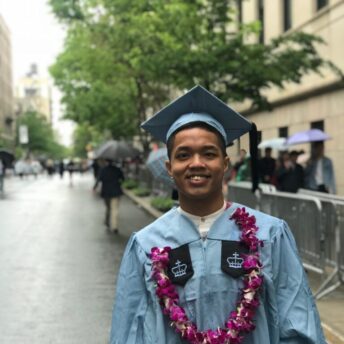
“I can tell you [my parents’] Social Security numbers right now because I’ve been supporting them my whole life.”
Diverse Elders Coalition
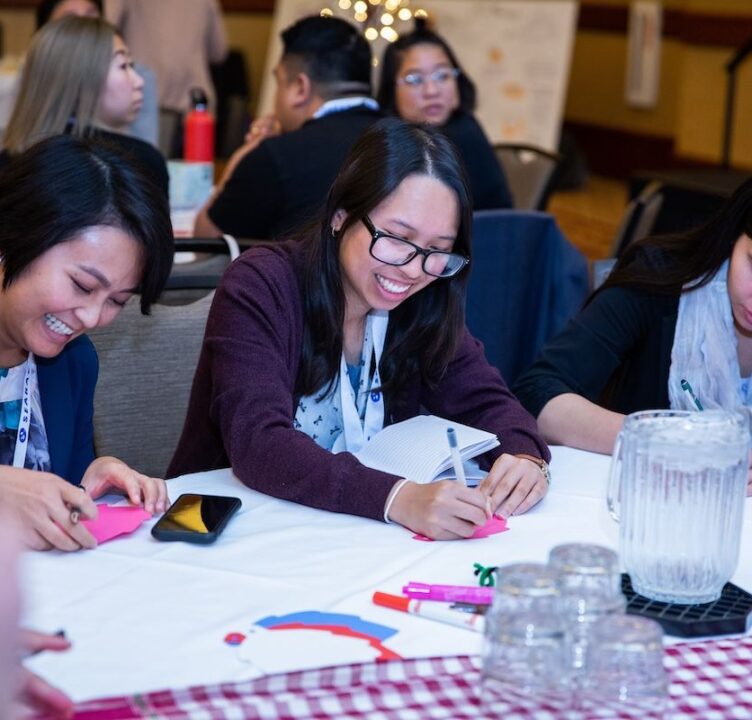
Subscribe to our newsletter for the latest updates on the SEARAC community, and to learn more about how you can get involved.
Latest related posts



Thank you to @asamnews for uplifting SEAA voices by covering the launch of Weaving Wellness: Intergenerational Insights from Southeast Asian American Communities. Our latest report finds that wellness in the SEAA community is multidimensional, interconnected, and communal. Check out the full article at the link in our bio.
Oct 7


Over 150 of you have taken action. Your comments showed the Census Bureau why detailed race and ethnic data collection in Census data is important to Southeast Asian Americans. Because of you, the Census Bureau extended the comment deadline from Oct. 13 to Nov. 2.
But we need to do more.
We’re mobilizing 500 people to submit comments to the US Census Bureau to send the Trump Administration a loud, clear message it cannot ignore: reject the proposal to remove questions about race, ethnicity, and sexual orientation from the 2030 Census.
Southeast Asian Americans have fought for decades to be recognized in federal data. We cannot allow that progress to be rolled back, and we will continue to fight.
Help us reach 500 comments by submitting your comment by Nov. 2 and encouraging five other people to do the same. Link in bio.
Oct 5

We close out #AANAPISI week with a reflection from our Summer 2026 Policy Intern and UCLA alumnus Benjamin Lee, whom SEARAC hosted through a partnership with @ocanational`s Internship Program. In his blog post, Benjamin looks back on a transformative summer of empowerment. “I realized that if I spoke up about the injustices I faced, my story could help bring other Hmong students out of the shadows,” he writes. “I saw that advocacy wasn’t something reserved for elected officials or policy experts; it began with vulnerability, with people willing to share their lived experiences.” Read Benjamin`s full post at the link in our bio.
#AANAPISIWeek26
Oct 2

Get @reshare_app • @daylaborernetwork BREAKING: We are outraged by Governor Newsom’s veto of the No Side Jobs for ICE Act, AB 1537 by Asm Isaac Bryan.
This veto leaves Californians completely in the dark.
How many officers are secretly moonlighting for ICE?
We must uncover the truth!
We are so grateful to Asm. Isaac Bryan @ib2_real and his amazing team, to the 17 local electeds, and 93 orgs that backed this bill.
Read the full statement at the link in our bio.
Oct 1

Chicago, check out a FREE screening of the five-part Southeast Asian American Journeys docuseries TOMORROW, Oct. 1, at 6 pm local time. Event host @faaimchicago will be presenting it as part of a collection of short films from the diverse range of underrepresented voices from the SEA diaspora. @seaajourneys_doc series producer and director Quyên Nguyễn-Lê will be in attendance for a post-screening audience Q&A, alongside Pader Xiong, director of Home-land: Hmong American Women. RSVP at: https://www.faaim.org/first-thursdays-seaaj and check out more screenings near you at the link in our bio.
Sep 30
