
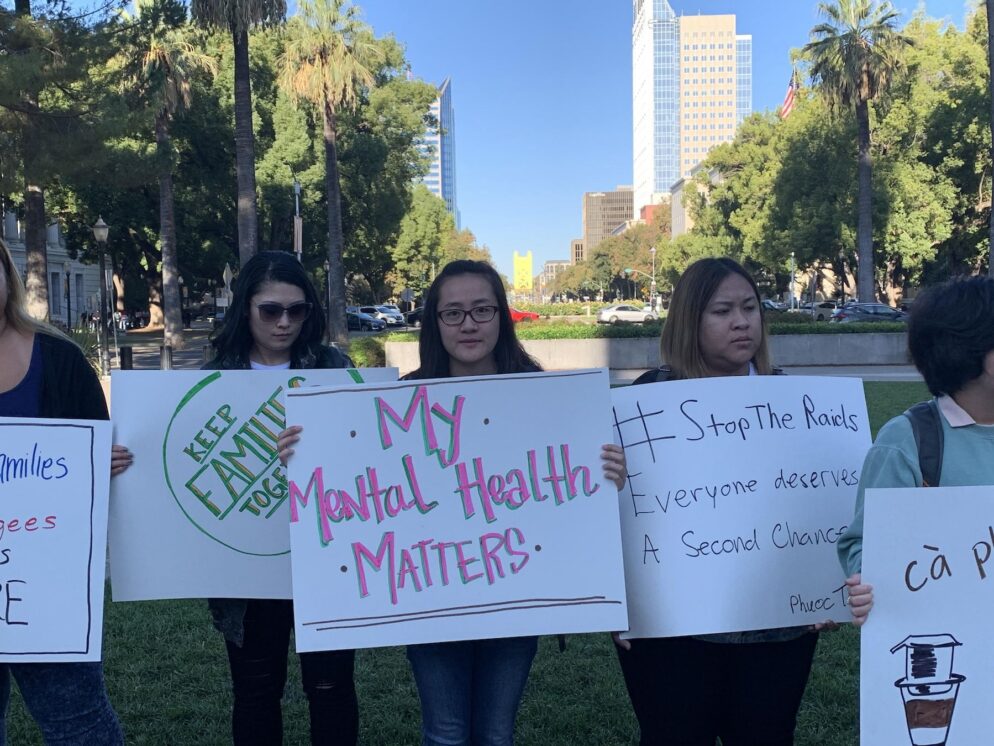
More research, community outreach, language and access support, diverse providers, and funding are needed on SEAA health and mental health.
Key resources:
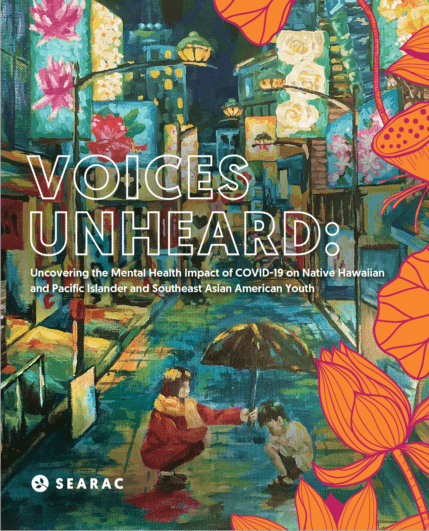
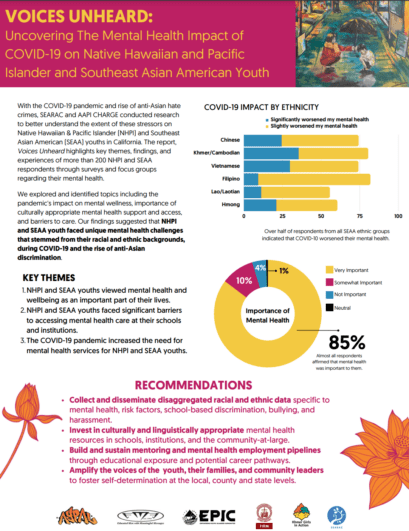
Highlights the experiences of more than 200 respondents and focuses on Native Hawaiian and Pacific Islander and Southeast Asian American youth. Learn more
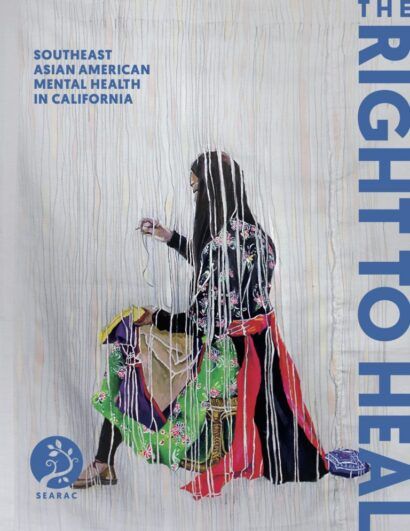

Featured story
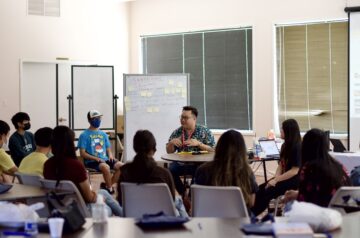
Lao Fresno Community Shares Mental Health Needs during Listening Session
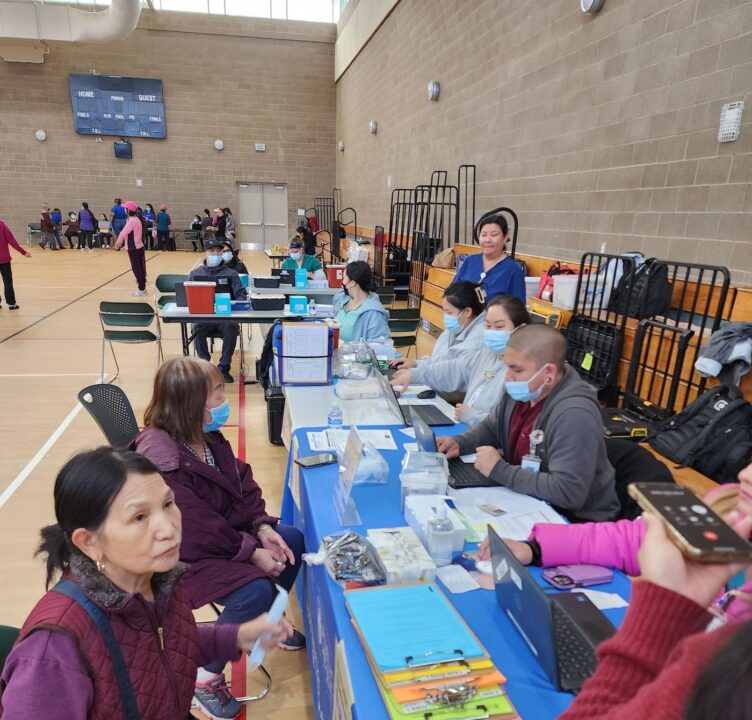
In addition to sharing information on how to navigate and access available systems for emotional support, the event included cultural activities and performances, as well as a keynote speaker to initiate conversations about mental health.
Learn more
“Having mental illness’ translated to Khmer is ‘crazy’ or ‘psychotic,’ making those terms weigh very heavily when heard.”
The Cambodian Family
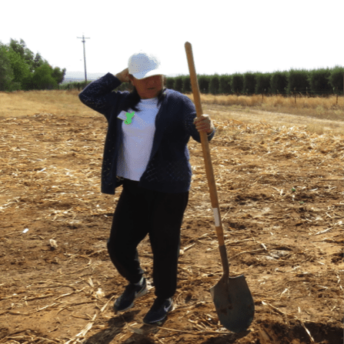
“The services at HCCBC are important, because I do not feel judged [here]. The recreational group that I attend is comfortable and like no other [support] group because the staff speaks my native language and respect who I am.”
Participant at Hmong Cultural Center of Butte County’s Zoosiab program
Subscribe to our newsletter for the latest updates on the SEARAC community, and to learn more about how you can get involved.
Latest related posts



Nationally, 9% of households in the United States have three generations living under one roof. Across all Southeast Asian American communities, that rate is more than double.
Thank you to the 420 people who have submitted comments via our online form letting the Census Bureau know that it needs to keep race and ethnicity questions in the next census. 👏👏 We need 80 more to reach our goal of 500. Submit your comment by Nov. 2 at the link in our bio and please continue to share bit.ly/SEARACcensusalert widely!
Oct 22


Public health insurance is a lifeline for Southeast Asian American communities. Detailed census data show just how many families rely on it—and why policymakers must pay attention.
With just under 2 weeks until the deadline, we are still 100 short of our goal of 500 people telling the Census Bureau why we must continue to collect race and ethnicity data during the next census. Submit your comment by Nov. 2 at bit.ly/SEARACcensusalert or the link in bio.
Oct 20

Thank you to the @internationalexaminer for uplifting data from our recent fact sheet, which shows that 42% of deportations to Cambodia, Laos, and Vietnam recorded since 1998 occurred in fiscal years 2025 and 2026 alone.
Read how organizers are helping families prepare and keeping elders connected and why lasting legislative solutions are urgently needed. Link in bio.
Oct 16

Detailed data reveal the truth behind the model minority myth. Removing race and ethnicity questions would hide very real educational disparities and leave our families out of the decisions that shape our futures. We will not stand by and let our government erase our communities.
🎉 Comment campaign update: We need just over 100 comments to reach our goal of 500. Submit your comment by Nov. 2 and send a strong message to the Census Bureau from the SEAA community. Link in bio
Oct 15

Get @reshare_app • @ncapagrams This Election season, we’re at a crossroads. The future of Affordable Education matters to our communities but has been threatened by the “One Big Beautiful Bill Act”.
Find more info about the status and shifts in student loan borrowing programs in our Education policy primer (link in bio!) and make sure you’re registered to vote! 🎓🗳️
#NCAPA #MidtermElection #GOTV #AANHPIPolicy #AffordableEducation
Oct 15
