
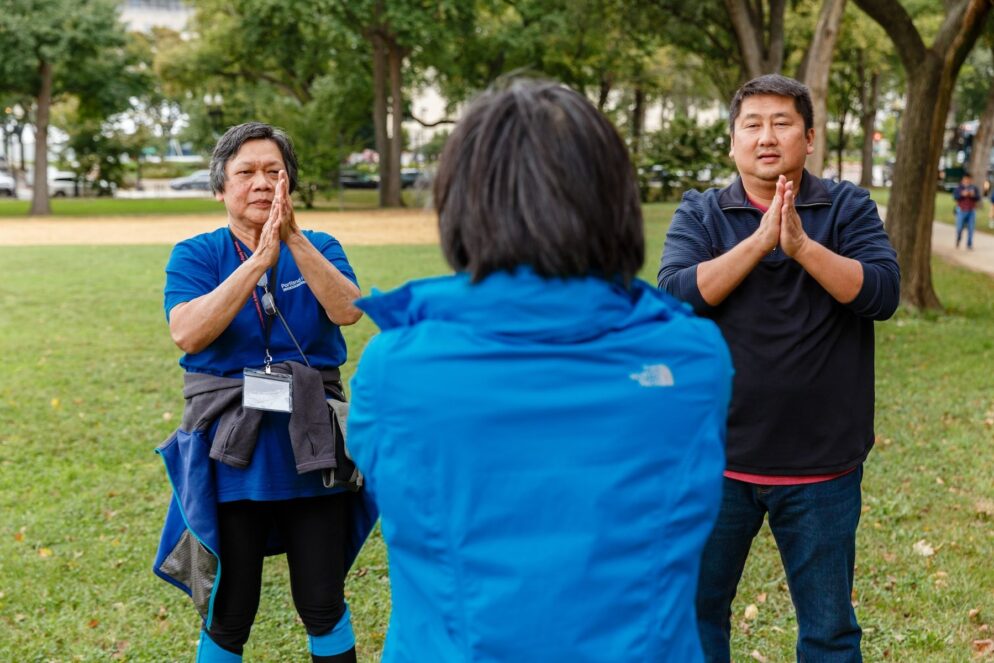
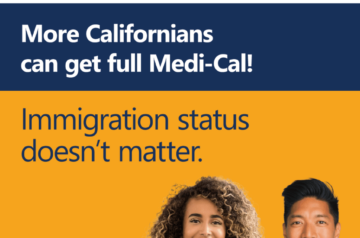
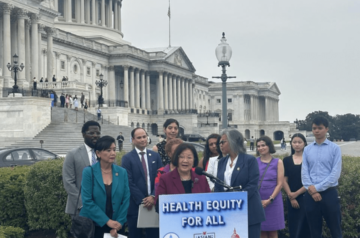
All Californians should access necessary health care regardless of their immigration status or where they were born.
Key resources:


Featured story
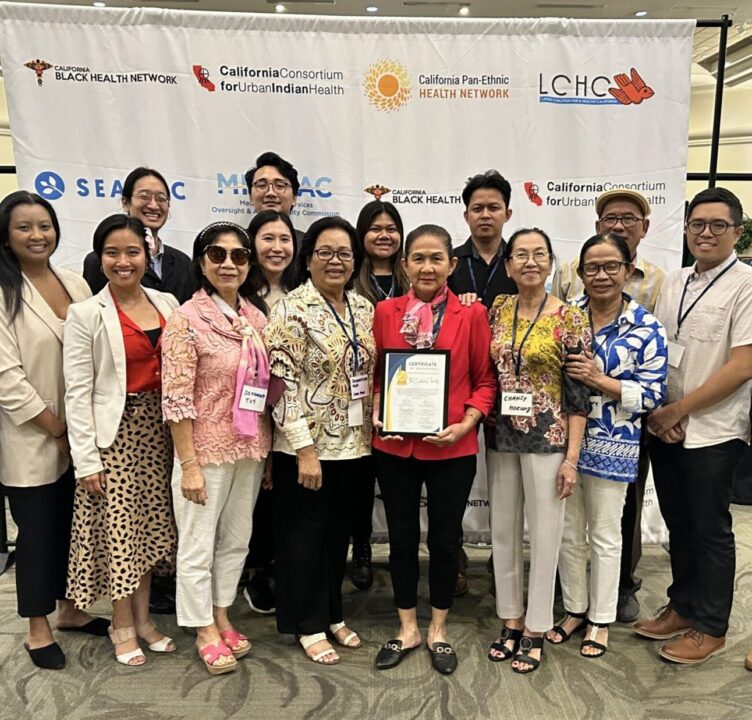
SEARAC Unites With California Partners to Celebrate Our Right to Heal
SEARAC joined our California-based advocacy and health services partners to host the third annual “The Right to Heal: Centering Mental Health Multi-Racial Equity in California.”
Learn more
“Everyday I woke up crying because I gave birth to him but couldn’t do anything about his medical bills. I cried every time I looked at the medical bills because I couldn’t afford them. I didn’t even want to take my son into the hospital if it was going to be that expensive.”
as featured in our video “A Mother’s Love”

“Before the Medicaid expansion, I was without health insurance for a long time and was only able to access the free health clinics in the East Bay to address this recurring stomach issue that I had. I would be in immense pain. With the Medicaid expansion, I have been able to see a doctor and receive regular check-ups regarding my illness. I know that having Medi-Cal has prolonged my lifespan.”
Southeast Asian Americans Speak Out to Protect the Affordable Care Act and Medicaid Expansion report
Subscribe to our newsletter for the latest updates on the SEARAC community, and to learn more about how you can get involved.
Latest related posts

Southeast Asian Americans are part of this country, and the census must reflect that. Tell the Census Bureau that every person should be counted and that our communities will not be erased.
More than 300 of you have taken action. 👏👏 Help us get to 500 by Nov. 2 and add your comment at bit.ly/SEARACcensusalert or at the link in our bio.
Oct 13


SEARAC is closed today in observance of Indigenous Peoples’ Day. We reflect on the land we occupy and our responsibility to learn from Indigenous voices and advance their calls for justice. Their leadership inspires our ongoing work toward a future where every community can thrive.
Oct 12

Get @reshare_app • @vietfilmfest 🎬 Southeast Asian American Community Building Panel🤝
Reflecting the themes of Sea Song and Southeast Asian American Journeys, this panel invites members of the Southeast Asian American community to share the stories, memories, and experiences that shaped how our communities were built and fostered in the aftermath of our arrivals. Together, we’ll reflect on our collective histories, the people and relationships that brought us together, and the communities we continue to build today.
📅 Sunday, October 11 at 9:30 AM . ⏰
🎟️Get your tickets, link in bio @vietfilmfest
Tag: @thecambodianfamily @haolbinc.1981 @seaajourneys_doc @thuyvodang @creativesantaana @oanhnhi.nguyen @mellydurianface
Oct 10

Erasing data does not erase disparities. Accurate data about race, ethnicity, and sexual orientation give policymakers and researchers the evidence they need to meet communities’ needs and direct resources where they can make a difference. Help us reach our goal of mobilizing 500 comments by submitting yours and encouraging five other people to do the same at the link in our bio. The deadline to submit your comment is Nov. 2.
Oct 9

Get @reshare_app • @ncapagrams **📣 Happening TODAY** Join NCAPA, AAPI Data, SEARAC, and EPIC for an online community info session on how we can mobilize to defend our right to a fair, accurate Census.
A proposed rule change to the Census would exclude millions of people from the 2030 population count and prohibit the collection of demographic data on race, ethnicity, and sexual orientation.
This info session will explore how you can make your voice heard via public comment ahead of the deadline and ensure that AANHPIs remain accurately counted and served.
📅 Date and Time: Thursday, October 8th at 1 pm PT / 4 pm ET
➡️ Register at aapidata.com/oct8infosession (link in bio!)
#Census #CommunityData #Workshop #PublicComment
Oct 8
